I'm a public school teacher who homeschools. And my high schooler goes to a Catholic school. No, I'm not confused, and no, I didn't lose a bet. I just have three different children with three different sets of needs.
I was educated in public school. Today I'm a special education teacher, an approved Step Up for Students provider, and a Step Up parent. Of my four children, I have a fifth grader I homeschool, a sixth grader in public middle school, and a high schooler at a private Catholic high school.
After years inside all three settings, as a student, a teacher, and a mom, this is where I've landed: public school, private school, and homeschool can coexist, and all three are worth supporting. Not because one is better, but because children are different.
- Public, private, and homeschool each do something well.
- Research doesn't crown one winner. Fit matters more than the label.
- Start with the child's needs, then pick the setting, and revisit it every year.
- Public schools are full of skilled, seasoned teachers, and they keep evolving with the tools and strategies today's students learn best with.
The question I stopped asking
Online, the school debate often sounds like a team sport. Pick a side, wear the jersey, argue in the comments. I've been asked more than once how a public school teacher can homeschool, or how a homeschool mom can send her son to a private school.
My answer is simple. I don't choose a setting first and fit my child into it. I look at my child first: how they learn, where they thrive, what they need this year. Then I choose the setting. And I'm willing to choose again when things change.
Families in every setting need great teachers
In my December Done-For-You program, we build your website and your offer so families can find you, whatever school their child is in. Limited scholarships available.
What public school does well
I'll start with my own house: I was a public school student, and I'm a public school teacher. I see skillful, caring teachers in public schools every day, many of them doing heroic work.
For my sixth grader, public middle school is helping him grow into a better person: more resilient, more independent, and able to get along with all kinds of people. Middle school hallways are a crash course in life. (Some days a little too much of a crash course. But he's learning.)
- Every child has a seat. Public schools serve everyone in their community.
- Diverse classmates. Children learn to work with people who are different from them.
- Special education services. In 2022-23, about 7.5 million students, the equivalent of 15 percent of all public school students, received special education or related services under the Individuals with Disabilities Education Act (IDEA), according to the National Center for Education Statistics.
Seasoned teachers, evolving schools
In my years of experience, I've seen that most of our public school teachers, especially our seasoned teachers, are really good at what they do. Students benefit from that expertise every day: the classroom management, the patience, and the instincts that only come from years of knowing children.
Public schools are also evolving. They're embracing the tools and strategies that help today's Gen Alpha and Gen Z students learn best, including technology and AI. I call myself an AI translator, not an enthusiast, and used thoughtfully, AI has made my own work as a teacher less stressful. It's encouraging to see experience and new tools working together.
What private school does well
For my high schooler, I believe a Catholic high school is the right community for this season. The people he's surrounded by, the values they share, and the expectations they hold are helping him become who he is and work toward his goals.
That's often what a private school offers: a specific community, a specific mission, or a specific focus (faith-based, academic, arts, or something else) that matches what a family wants for their child.
What homeschool does well
For my fifth grader, homeschooling is the setting that fits best right now. I can set the pace, the schedule, and the approach around what she needs, and change it the same week if something isn't working. (The commute is also excellent. It's about eleven steps.)
I'm not alone. Here's what the numbers show:
- About 3.4% of U.S. K-12 students were homeschooled in 2022-23, up from 2.8% in 2018-19, based on federal survey data analyzed by Pew Research Center.
- In Florida, 152,871 students from 114,370 families were in home education programs in 2024-25, according to the Florida Department of Education.
- Families homeschool for many different reasons, from family values to the flexibility to set the pace and approach for one child.
What the research tells us, in plain English
- No setting wins for every child. Studies that seem to show one setting "winning" often reflect differences between families, not the schools.
- Each setting serves real families with real reasons.
- Fit matters: the child's needs, the family's situation, and the quality of the teaching in that setting.
5 questions to ask for your child
If you're a parent weighing options, or a teacher helping a family think it through, start here:
How does this child learn best?
Pace, structure, class size, hands-on or independent.
What support do they need?
Academic, social, emotional, or specialized services, and which setting can really provide them.
Where will they grow as a person?
Community, friendships, values, and the kind of challenge that builds resilience.
What can our family realistically sustain?
Time, schedules, transportation, and energy. Be honest. A plan that works on paper but exhausts everyone isn't a plan.
Is it still working?
Revisit every year. The right setting in fifth grade might not be the right one in ninth, and that's okay.
If you're exploring options in Florida, Step Up for Students' official pages explain current programs and eligibility.
Get the free teacher guide
Comment GUIDE on any Teacher to CEO Academy Facebook post and I'll send it to you in Messenger.
What this means for teachers
If you're a teacher, this is good news. Children in all three settings need skilled, caring educators. Public school students need you in the classroom. Homeschool and private school families also look for tutors, specialists, and enrichment. Your skills aren't limited to one building.
Whatever setting you teach in, families need exactly what you already know how to do.
The bottom line
Public school, private school, and homeschool aren't competitors in my house. They're three tools, and each of my children is using the one that fits them right now. When we start with the student's needs, there's room for all three, and all three deserve support.
So the next time someone asks which kind of school is best, try answering with a question: "Best for which child?"
Now I'd love to hear from you: which setting are your children in, or which one do you teach in? And what's one thing it does really well? Tell me in the comments on Facebook, and share this with a teacher or mom friend who's been asked to "pick a side."
Your teacher business, built for you
Website, offer, and both of my books included. Limited scholarships for qualifying teachers and moms. I reply to every application within 2 days.
This article shares my own experience and publicly available information from Step Up for Students and the research sources linked above. The views here are my own and do not represent my school, my school district, or any employer. It is not legal, tax, or financial advice, and it is not affiliated with or endorsed by Step Up for Students.
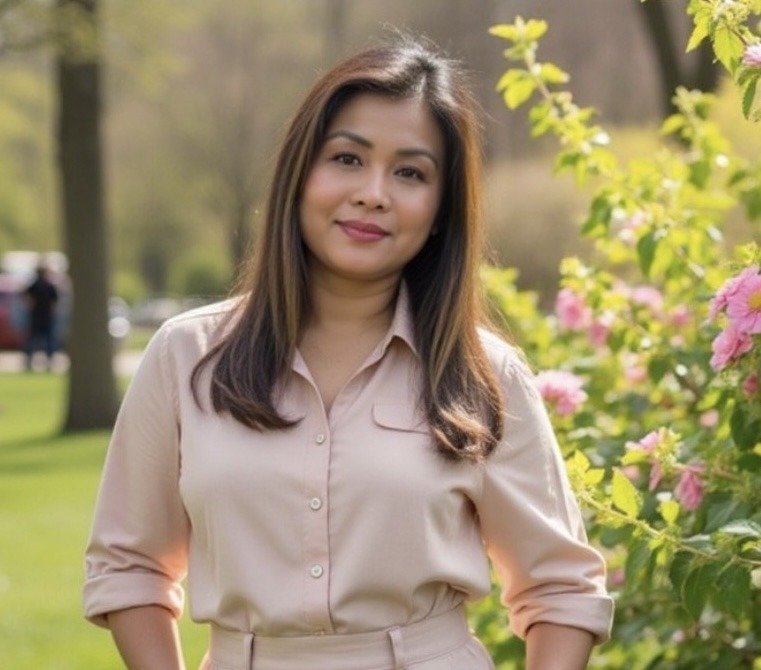
Special education teacher, approved Step Up provider, Step Up parent of three scholarship students, and founder of Teacher to CEO Academy. I help teachers and moms turn what they already know into income, without the tech overwhelm. teachertoceo.org